
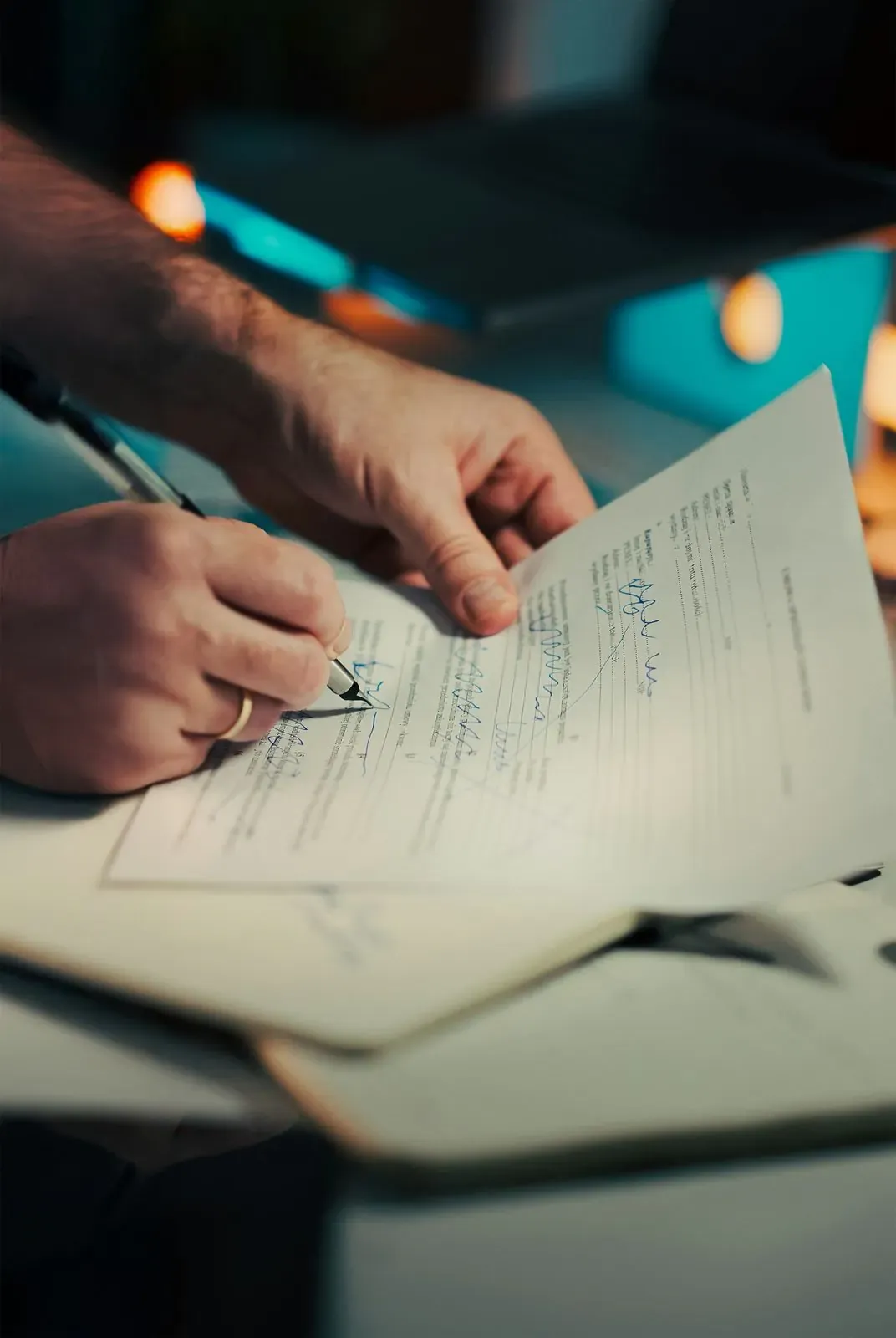
Permits Protect More Than Just Legality
A building permit isn't just a bureaucratic formality, it's an independent check that your structure meets safety standards that protect you, your family, and future occupants.
They also protect the next owner. A documented approval history is one of the first things a buyer or a bank asks for, long after the build is finished.
A permit is an independent check on the things you cannot see once the walls close.
Skipping Permits Creates Hidden Risk
Unpermitted work can complicate insurance claims, delay a future sale, and in some cases require a home to be brought up to code retroactively at significant cost.
The cost rarely stays hidden either. It usually surfaces at the worst moment, during a sale or a claim, when you have the least room to negotiate.
- Insurance claims that get contested
- Sales that stall during due diligence
- Retroactive compliance work at your own cost
- Structural issues nobody signed off on
Quality Control Is Built Into the Process
Permit inspections act as a built-in quality control checkpoint, catching structural or safety issues at each stage rather than after walls are already closed up.
Because an inspector signs off at each stage, problems get corrected while they are still visible and cheap, rather than after finishes have gone on.
Inspection at Each Stage
Structure, services, and enclosure are each signed off before the next trade covers them, which is the only practical time to catch a problem.
The Record You Keep Afterwards
Approved drawings and inspection notes stay with the property. They are what a future buyer, insurer, or architect will ask for.
How We Handle Permitting for You
We manage the permit process as part of every project, so approvals move in parallel with design and construction management instead of becoming a separate headache for you to chase.
That means gathering the drawings, submitting them, and tracking the responses ourselves. You hear about it when a decision is needed, not every time a form moves.